
Bill of Rights Day 2025: President Calls for Renewed Defense of Fundamental Freedoms Amid Constitutional Crossroads
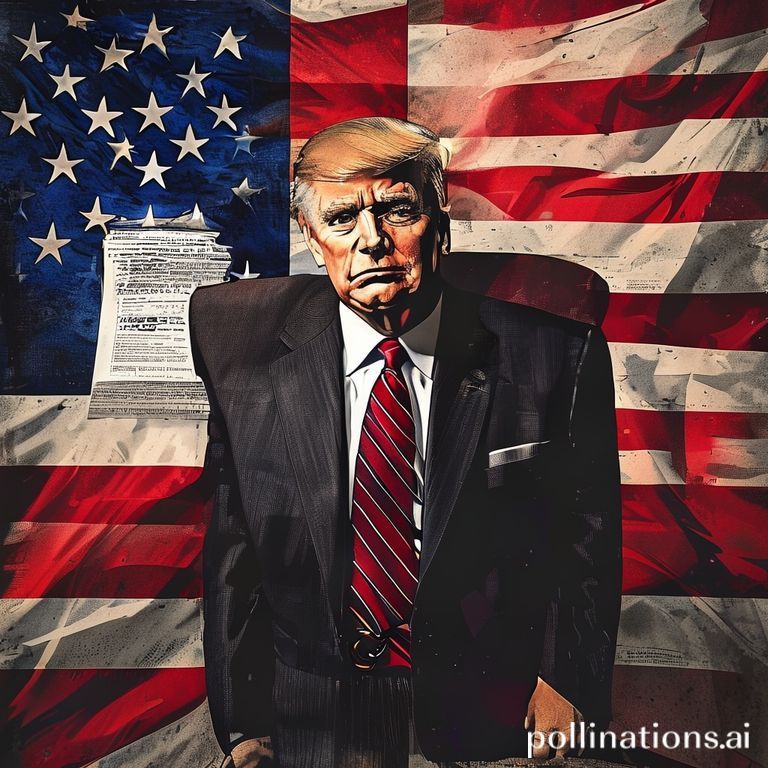
Bill of Rights Day 2025: President Calls for Renewed Defense of Fundamental Freedoms Amid Constitutional Crossroads
WASHINGTON, D.C.—The White House today marked Bill of Rights Day 2025 with an urgent appeal to the American people, emphasizing that the foundational principles enshrined in the first ten amendments are currently facing unparalleled scrutiny in courts, Congress, and digital public squares.
In a Presidential Proclamation issued this morning, the administration designated the observance—which commemorates the ratification of the amendments on December 15, 1791—as a moment of critical reflection on the state of constitutional law and American democracy.
The message from Washington was clear: While the rights established centuries ago remain absolute, the mechanisms for their defense require constant public vigilance, particularly concerning digital privacy and the boundaries of expression. This high-profile observance reinforces the administration’s focus on civil liberties heading into a crucial election year.
White House Address Highlights Core Liberties
During a televised address, the President stressed that the spirit of the Bill of Rights transcends political division, serving as the bedrock for the country’s unique governance structure.
"Our liberty is not granted by the state; it is inherent. But it must be safeguarded daily," the President stated. "The Framers understood that the government must be constrained to protect the individual. Today, we must apply that wisdom to complex challenges—from artificial intelligence and data collection to threats against freedom of the press."
Senior administration officials underscored the growing relevance of the Fourth and Fifth Amendments in an era defined by mass surveillance and data harvesting. They highlighted ongoing policy initiatives aimed at modernizing protections against unreasonable searches and seizures, focusing heavily on digital communications. This emphasis on fundamental freedoms sets the stage for upcoming legislative battles on privacy rights and executive authority.
The Core Tenets Under Scrutiny
Bill of Rights Day 2025 arrives at a volatile time for several key amendments undergoing rigorous judicial review.
The First Amendment, guaranteeing freedom of speech, religion, and the press, is arguably under the most intense public pressure. Legal experts note that 2025 saw several landmark cases addressing the definition of protected speech online, content moderation by major tech platforms, and the rights of journalists to shield sources in an increasingly hostile environment. The administration framed these debates as existential tests for an informed electorate.
Simultaneously, the national conversation remains centered on the Second Amendment. While the White House address maintained a focus on respecting established constitutional precedent, officials acknowledged the persistent national debate regarding the scope of gun ownership rights and regulatory oversight, a perennial challenge to consensus in American governance.
Furthermore, the integrity of due process (Fifth Amendment) and the necessity of independent judiciary (Sixth Amendment) were highlighted as essential safeguards against government overreach, serving as necessary checks on executive power.
Historical Legacy Meets Modern Challenge
The ratification of the Bill of Rights, championed by James Madison, represented a promise to Anti-Federalists that the new Constitution would explicitly protect individuals from federal infringement. That legacy, officials argued, must now be interpreted through a 21st-century lens.
Constitutional scholars speaking at White House events noted that the Founders could not have envisioned the technological capabilities of the modern state. Therefore, celebrating the Bill of Rights means more than historical remembrance; it requires a proactive commitment to applying constitutional principles to unforeseen circumstances.
The key takeaway from Bill of Rights Day 2025 is a renewed mandate for civic education. The White House concluded its observance by urging educational institutions and media organizations to prioritize knowledge of constitutional law, recognizing that an educated citizenry is the ultimate defense against the erosion of liberty. Protecting these core rights, the President asserted, remains the highest duty of every American.
© 2025 USAmerica Today. All rights reserved.
News curated by Jessica White.