
Bondi Beach Attack Linked to Islamic State Ideology, Authorities Confirm
Bondi Beach Attack Linked to Islamic State Ideology, Authorities Confirm
SYDNEY, AUSTRALIA — In a development that has sent shockwaves through the nation, Australian federal authorities confirmed Monday that the recent deadly shooting at Bondi Beach was directly inspired by Islamic State (ISIS) ideology, marking one of the most significant terror-related incidents on Australian soil in recent years.
The announcement came during a joint press conference held by the Australian Federal Police (AFP) and the Australian Security Intelligence Organisation (ASIO), where officials revealed that evidence recovered from the scene and subsequent investigations clearly indicated the attackers were radicalized individuals acting on extremist beliefs.
The Attack and Immediate Response
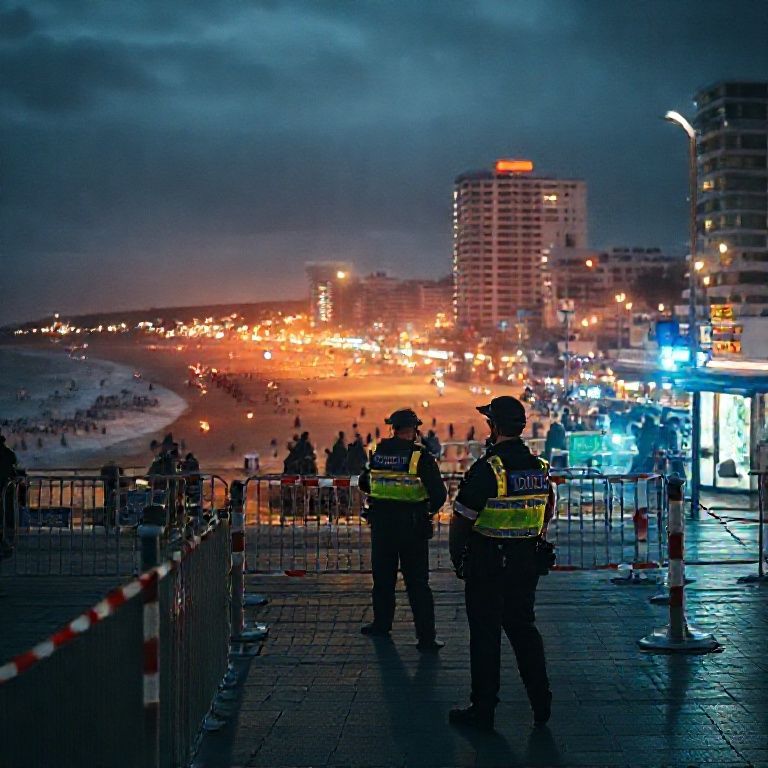
The shooting, which occurred in the early morning hours near the iconic Bondi Beach promenade, resulted in multiple casualties and sent beachgoers fleeing in panic. Witnesses described scenes of chaos as armed gunmen opened fire on crowds enjoying the popular Sydney destination.
"This was a calculated attack designed to maximize casualties and create terror," said AFP Commissioner Reece Kershaw during the briefing. "Our investigation has uncovered clear evidence linking the perpetrators to ISIS propaganda and recruitment materials."
Emergency services responded within minutes, with tactical police units securing the area and paramedics treating the wounded. The swift response is credited with preventing further casualties, though the final toll remains devastating for the local community.
Ideological Motivations Confirmed
Intelligence officials revealed that the attackers had been consuming ISIS propaganda online for months prior to the incident. Digital forensics teams discovered extensive communications with known extremist networks and evidence of radicalization through social media platforms.
"What we're seeing is the dangerous evolution of lone-wolf terrorism," explained ASIO Director-General Mike Burgess. "These individuals were not necessarily part of a formal ISIS cell, but they were deeply influenced by the group's violent ideology and propaganda machine."
The revelation has raised urgent questions about online radicalization and the effectiveness of current counter-terrorism monitoring systems. Australian authorities are now reviewing their digital surveillance protocols and working with international partners to track extremist content online.
National Security Implications
The attack has prompted an immediate elevation of Australia's national terrorism threat level, with increased security measures being implemented at beaches, shopping centers, and public transportation hubs across major cities.
Prime Minister Anthony Albanese addressed the nation, calling for unity while promising a comprehensive review of counter-terrorism strategies. "We will not be intimidated by those who seek to divide us through violence," he stated. "Australia remains a safe, multicultural society, and we will do everything necessary to keep it that way."
Security experts warn that the Bondi Beach attack represents a troubling trend of ISIS-inspired violence targeting soft civilian targets. Unlike traditional terrorist operations that focus on government or military installations, these attacks aim to create maximum psychological impact by striking at everyday locations where people feel safe.
Community Impact and Response
The local Bondi community has rallied together in the wake of the tragedy, with vigils and memorial services drawing thousands of mourners. Beach safety volunteers and local businesses have pledged to support victims' families and work with authorities to enhance security measures.
"Bondi is more than just a beach—it's a symbol of Australian life and freedom," said local council member Paula Masselos. "We won't let fear change who we are or how we live."
Mental health services have been deployed to support traumatized witnesses and first responders, with counselors reporting significant demand for psychological assistance in the days following the attack.
International Cooperation
The investigation has drawn support from international intelligence agencies, including the FBI, MI6, and Europol, all of whom have experience dealing with ISIS-inspired attacks in their own countries. Information sharing agreements are being strengthened to track the global network of extremist propaganda and recruitment.
Australian authorities are particularly focused on identifying any potential accomplices or support networks that may have aided the attackers. Several individuals have been detained for questioning, though officials stress that the investigation remains ongoing.
Looking Forward
As Australia grapples with this tragedy, experts emphasize the need for a multi-faceted approach to combating terrorism that includes not only enhanced security measures but also community engagement, education, and intervention programs for at-risk individuals.
"Prevention is always better than response," noted terrorism analyst Dr. Anne Aly. "We need to invest in programs that identify and support vulnerable individuals before they become radicalized, while also maintaining robust security infrastructure."
The Bondi Beach attack serves as a stark reminder that the threat of ISIS-inspired terrorism remains active despite the territorial defeat of the so-called caliphate in the Middle East. As authorities continue their investigation, the focus remains on ensuring such an attack never happens again while preserving the open, free society that defines modern Australia.
© 2025 USAmerica Today. All rights reserved.
News curated by Sarah Jenkins.