
California Wildfire Forces Thousands to Evacuate in Southern Counties
California Wildfire Forces Thousands to Evacuate in Southern Counties
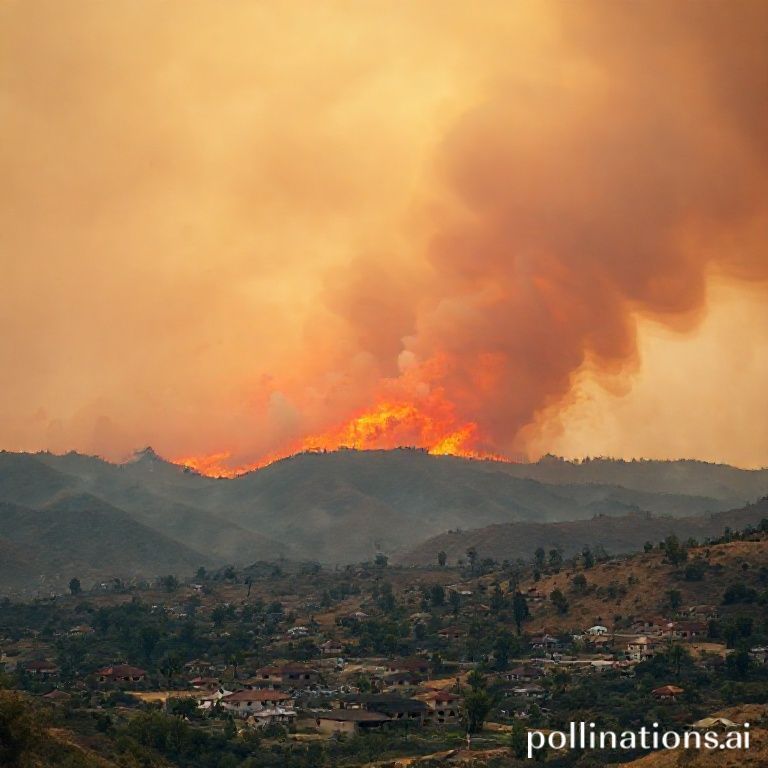
LOS ANGELES — A fast-moving wildfire erupted in Southern California early Tuesday morning, forcing the evacuation of more than 8,000 residents and prompting emergency declarations across multiple counties as firefighters struggle to contain the blaze amid challenging weather conditions.
The fire, dubbed the "Canyon Fire" by Cal Fire officials, ignited around 3:30 a.m. near the Santa Ana Mountains and has rapidly spread to consume over 5,000 acres. As of 9 a.m. Pacific Time, the fire remains 0% contained, with strong Santa Ana winds fueling its aggressive expansion.
Evacuation Orders Expand
Mandatory evacuation orders have been issued for several communities in Orange and Riverside counties, affecting an estimated 8,200 residents. Emergency shelters have been established at local high schools and community centers, with the Red Cross mobilizing resources to support displaced families.
"This is an extremely dangerous situation," said Cal Fire Chief Robert Martinez during an early morning press conference. "The combination of low humidity, high winds, and dry vegetation is creating perfect conditions for rapid fire spread. We're urging all residents in evacuation zones to leave immediately."
Evacuation warnings—indicating residents should prepare to leave at a moment's notice—have been extended to an additional 15,000 people in surrounding areas. Authorities are using emergency alert systems, reverse 911 calls, and door-to-door notifications to ensure residents are aware of the danger.
Firefighting Efforts Underway
More than 1,200 firefighters from across California have been deployed to battle the blaze, supported by air tankers and helicopters conducting water and retardant drops. However, strong winds have periodically grounded aerial operations, hampering containment efforts.
"We're throwing everything we have at this fire," explained Division Chief Sarah Chen. "But the wind is our biggest enemy right now. Gusts up to 50 mph are pushing embers ahead of the main fire line, creating spot fires that are difficult to control."
Firefighters have established defensive positions around threatened communities, focusing on protecting structures and creating firebreaks to slow the fire's advance. Bulldozers are working to cut containment lines, while engine crews are conducting structure protection operations.
Weather Conditions Complicate Response
The National Weather Service has issued a Red Flag Warning for the region, indicating critical fire weather conditions. Santa Ana winds—hot, dry winds that blow from inland deserts toward the coast—are expected to continue through Wednesday, with wind speeds reaching 40-50 mph and gusts potentially exceeding 60 mph in mountain areas.
Relative humidity has dropped to single digits in some areas, creating tinder-dry conditions that allow fires to spread rapidly. Temperatures in the mid-80s are well above normal for mid-December, further exacerbating fire danger.
"These are some of the worst fire weather conditions we've seen this season," noted meteorologist Dr. James Peterson. "The combination of factors we're seeing right now is extremely concerning. Even small ignitions can quickly become major conflagrations."
The weather service warns that conditions are unlikely to improve until Thursday, when winds are expected to diminish and a slight increase in humidity may provide some relief to firefighting efforts.
Structures Threatened and Damaged
At least 12 structures have been confirmed destroyed, though officials caution that number is likely to rise as damage assessment teams are able to access affected areas. Hundreds of additional homes and businesses remain threatened as the fire continues to advance.
The fire is burning in an area where urban development meets wildland vegetation—what fire officials call the "wildland-urban interface." This creates particular challenges, as firefighters must balance protecting structures while also trying to contain the overall fire spread.
"Every home we can save is a victory," said Chief Martinez. "But our first priority is always life safety. We will not put firefighters at unacceptable risk to save property."
Several ranches and agricultural properties are also in the fire's path, with residents working to evacuate livestock. Animal control officers and volunteer organizations are assisting with the evacuation of horses, cattle, and other animals.
Road Closures and Traffic Impacts
Major highways in the area have been closed, including portions of Interstate 15 and State Route 91, causing significant traffic disruptions. Authorities are urging residents to avoid the area and use alternate routes.
"We need to keep these roads clear for emergency vehicles and evacuating residents," emphasized California Highway Patrol Officer Lisa Wong. "Sightseers and people trying to get a closer look are creating dangerous traffic situations and impeding emergency response."
Several schools in the affected areas have been closed, and air quality alerts have been issued for a broader region as smoke spreads across Southern California. Residents in areas not under evacuation orders are being advised to stay indoors and keep windows closed.
Historical Context and Climate Concerns
While wildfires are not uncommon in California, a major fire in mid-December is unusual. The traditional fire season typically runs from late spring through early fall, but climate change and persistent drought conditions have extended the fire season year-round.
"We're seeing fires at times of year when we historically wouldn't expect them," explained Dr. Jennifer Adams, a climate scientist at UCLA. "Warmer temperatures, reduced precipitation, and longer dry periods are creating conditions where any month can be fire season in California."
California has experienced several devastating fire seasons in recent years, including the 2018 Camp Fire that killed 85 people and destroyed the town of Paradise, and the 2020 fire season that burned over 4 million acres statewide.
Community Response and Support
Local communities have rallied to support evacuees, with donation centers collecting supplies and volunteers organizing to help displaced residents. Hotels and motels in the area are offering discounted rates to evacuees, and several restaurants are providing free meals to firefighters and affected families.
"This is what California does—we come together in times of crisis," said Orange County Supervisor Maria Gonzalez. "We will get through this, and we will rebuild."
Social media has become a crucial tool for sharing information, with local emergency management agencies using platforms like Twitter and Facebook to provide real-time updates on evacuation orders, road closures, and shelter locations.
Economic Impact
The fire is expected to have significant economic consequences, with property damage potentially reaching hundreds of millions of dollars. Business interruptions, tourism impacts, and firefighting costs will add to the total economic toll.
Insurance companies are already mobilizing claims adjusters to the region, though many residents in high-fire-risk areas have struggled to obtain or afford fire insurance in recent years as insurers have pulled back from the California market.
Looking Ahead
Fire officials warn that the situation remains extremely dynamic and could change rapidly. Residents in evacuation warning areas are urged to have "go bags" packed and be ready to leave at a moment's notice.
"We're not out of the woods yet—literally or figuratively," said Chief Martinez. "The next 48 hours will be critical. We need the weather to cooperate, and we need the public to stay vigilant and follow all evacuation orders."
Additional firefighting resources are being positioned throughout Southern California in case the fire continues to grow or new fires ignite. The California National Guard is on standby to provide additional support if needed.
As California once again faces the devastating power of wildfire, the Canyon Fire serves as a stark reminder of the ongoing challenges posed by climate change, drought, and the expansion of development into fire-prone areas. For the thousands of evacuated residents, the coming days will be filled with uncertainty as they wait to learn the fate of their homes and communities.
Authorities continue to urge residents to stay informed through official channels, heed all evacuation orders, and prioritize their safety above all else.
© 2025 USAmerica Today. All rights reserved.
News curated by Carlos Rodriguez.