
Breaking: US Military Confirms Eight Killed in Strikes Targeting Illegal Drug Vessels
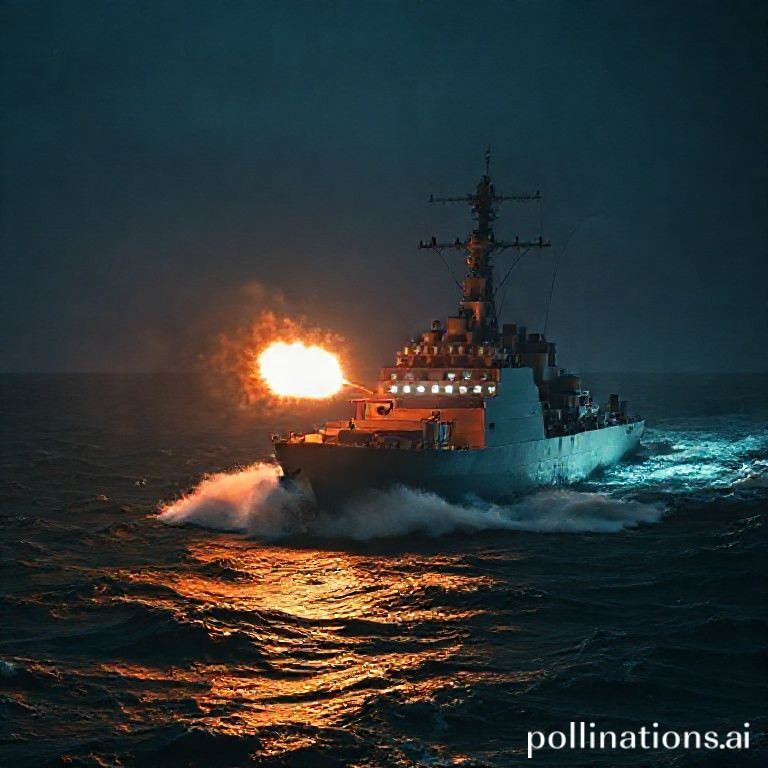
BREAKING: US Military Confirms Eight Killed in Strikes Targeting Illegal Drug Vessels
WASHINGTON, D.C. – The United States military confirmed late yesterday that counter-narcotics strikes conducted in international waters resulted in the deaths of eight individuals aboard vessels identified as high-speed drug-smuggling platforms. The fatalities underscore the escalating violence and lethal consequences inherent in the US’s aggressive strategy targeting the flow of illegal narcotics across the maritime domain.
The operation, which took place in the transit zone utilized heavily by cartels moving drugs northward—widely speculated to be the Eastern Pacific Ocean—involved US Navy and Coast Guard assets working under the jurisdiction of a major combatant command. Initial reports indicate the use of force was authorized after the target vessels failed to comply with mandated stop procedures and exhibited hostile intent.
This event marks one of the highest confirmed casualty counts stemming from a single US maritime drug interdiction operation in recent years, drawing immediate attention to the rules of engagement governing the deployment of lethal force against suspected traffickers.
Details of the Maritime Interdiction
According to a formal statement released early this morning by U.S. Southern Command (SOUTHCOM), two suspected "go-fast" vessels were detected utilizing advanced surveillance technology. The vessels were tracked for several hours before US maritime patrol aircraft attempted to communicate standard warnings, requiring the vessels to halt and submit to boarding procedures.
“Our crews followed established protocol, escalating from visual warnings to warning shots,” stated Rear Admiral Thomas Hartley, a spokesman for SOUTHCOM operations. “The vessels attempted evasive maneuvers and, critically, endangered US personnel through aggressive movement. Lethal force was deployed to neutralize the immediate threat and prevent the destruction of evidence, confirming eight hostile actors were killed in the exchange.”
The statement stressed that the military assets involved were engaged in self-defense and operational necessity. Following the successful interdiction, military teams secured both vessels, confirming large quantities of illicit substances, including cocaine and possibly fentanyl precursors, were aboard. The exact amount and nature of the cargo have not yet been released, pending forensic analysis.
Escalation and Rules of Engagement
The casualties renew the debate surrounding the stringent rules of engagement (ROE) that govern the US military’s involvement in counter-narcotics missions. While the primary goal of these maritime operations is interdiction and seizure, military policy permits the use of lethal force when US or partner personnel are threatened, or when a vessel’s actions pose an immediate danger to other assets.
Senior defense officials, speaking anonymously due to the sensitivity of the operation, emphasized that the illegal narcotics trade has become increasingly militarized. Smugglers frequently operate heavily armed and are trained to resist capture, often choosing to scuttle their vessels—and the highly valuable cargo—rather than surrender.
“These individuals were not simple fishermen; they were armed operatives facilitating transnational organized crime,” a senior Defense Department source confirmed. “Every US servicemember is trained to prioritize the safety of life at sea, but when smugglers prioritize protecting multi-million-dollar shipments with violence, our response must be decisive.”
The Broader War on Drugs
This deadly strike comes as the US military maintains a heightened presence in key maritime corridors critical for drug smuggling. The enhanced focus is part of a broader federal effort to choke off the supply of illicit drugs fueling the crisis domestically.
Recent data shows a surge in the construction and use of highly sophisticated smuggling platforms, including Low Profile Vessels (LPVs) and semi-submersibles, which are notoriously difficult to track and interdict. The drug interdiction efforts have led to record seizures, but the profit margins for cartels remain high, driving continuous and violent attempts to breach US defensive lines.
While the operation was successful in removing high-value targets and large quantities of contraband, the focus now shifts to the political and international legal ramifications of the eight confirmed deaths. Authorities are working to identify the deceased, who are believed to be citizens of various South and Central American nations. The US government remains committed to its counter-narcotics strategy, asserting that the aggressive maritime posture is essential to national security.
© 2025 USAmerica Today. All rights reserved.
News curated by Eleanor Vance.