
Deadly Pacific Escalation: US Military Strikes Three Vessels, Killing Eight
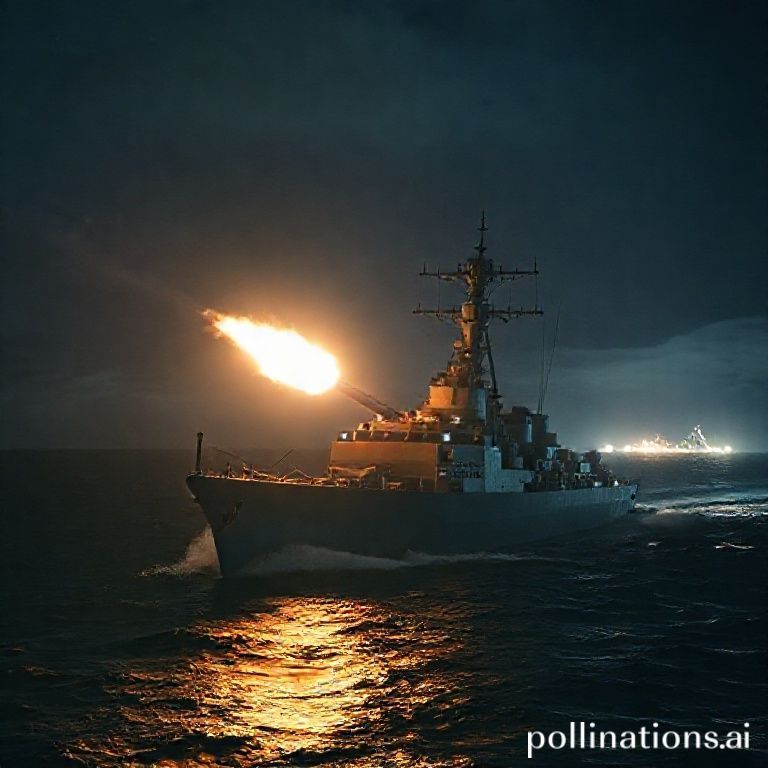
Deadly Pacific Escalation: US Military Strikes Three Vessels, Killing Eight
BREAKING NEWS: US Military Confirms Deadly Strikes in Pacific
The US military strike in the Western Pacific Ocean dramatically escalated regional tensions overnight, resulting in the confirmed deaths of eight individuals after American naval assets engaged and destroyed three fast-moving vessels.
In a rare and lethal confrontation far from traditional conflict zones, the action was swiftly confirmed early Monday by US Indo-Pacific Command (INDOPACOM), which claimed the engagement was an act of "necessary self-defense" against unidentified craft operating without identification and executing threatening maneuvers toward a US Navy guided-missile destroyer.
The incident marks one of the most significant and deadly confrontations involving US forces in the region outside of standard anti-piracy operations this year, placing intense scrutiny on Washington’s rules of engagement and the precarious state of maritime security in vital international shipping lanes.
Details of the Naval Engagement
According to initial reports released by the Pentagon, the incident occurred approximately 400 miles west of Guam shortly after midnight local time. The three small, highly maneuverable boats were first detected attempting to shadow a US Navy surface action group operating routine patrol operations.
After repeated warnings via radio—which were allegedly ignored—the vessels reportedly accelerated directly toward the American warship. Defense officials, speaking on condition of anonymity, described the targets as "hostile non-state actors" suspected of transporting illicit weaponry or engaging in espionage activities, though their exact affiliation remains unknown.
The US destroyer, identified as the USS Carver, utilized a combination of precision-guided munitions and close-range defensive fire to neutralize the threat. Satellite imagery analysis confirms all three targeted vessels were destroyed, with a post-strike assessment confirming eight casualties and no survivors. Crucially, no US personnel or naval assets were harmed during the engagement.
"The rules of engagement were clear," stated Admiral James Dalton, a spokesperson for INDOPACOM, in a brief statement to reporters this morning. "When unidentified vessels perform hostile actions that directly threaten the safety of American sailors and the freedom of navigation, we will respond decisively and proportionally. This was a defensive action, period."
Justification and Geopolitical Fallout
The incident immediately triggered high-level diplomatic cables across Asia. While US officials are keen to frame the action as an isolated, defensive measure, the sheer lethality of the US military strike is likely to generate significant geopolitical fallout, particularly among regional powers like China, which frequently protests the heavy US military presence in the area.
Military analysts noted that the speed and coordinated nature of the engagement suggest the US military believed the vessels posed a genuine, imminent threat—perhaps utilizing advanced drone technology or explosives designed for suicide attacks against large ships.
Experts on international law will be debating the necessity and proportionality of the force used. However, US defense policy prioritizes the protection of its major vessels, granting commanders broad authority to respond to perceived threats in international waters.
The Administration, facing growing pressure from Congress and international partners, is emphasizing transparency. Secretary of Defense Alan Rourke is scheduled to address the nation later today to provide a more comprehensive briefing, promising the release of declassified evidence showing the aggressive intent of the destroyed vessels.
The search and recovery effort for wreckage and identifying information from the sunk vessels is ongoing. This deadly episode serves as a stark reminder of the escalating risks inherent in securing the vast, complex, and contested territories of the Pacific Ocean.
© 2025 USAmerica Today. All rights reserved.
News curated by Michael Thompson.